CT Scan
CT Scans are used to help diagnose and plan treatment for various conditions
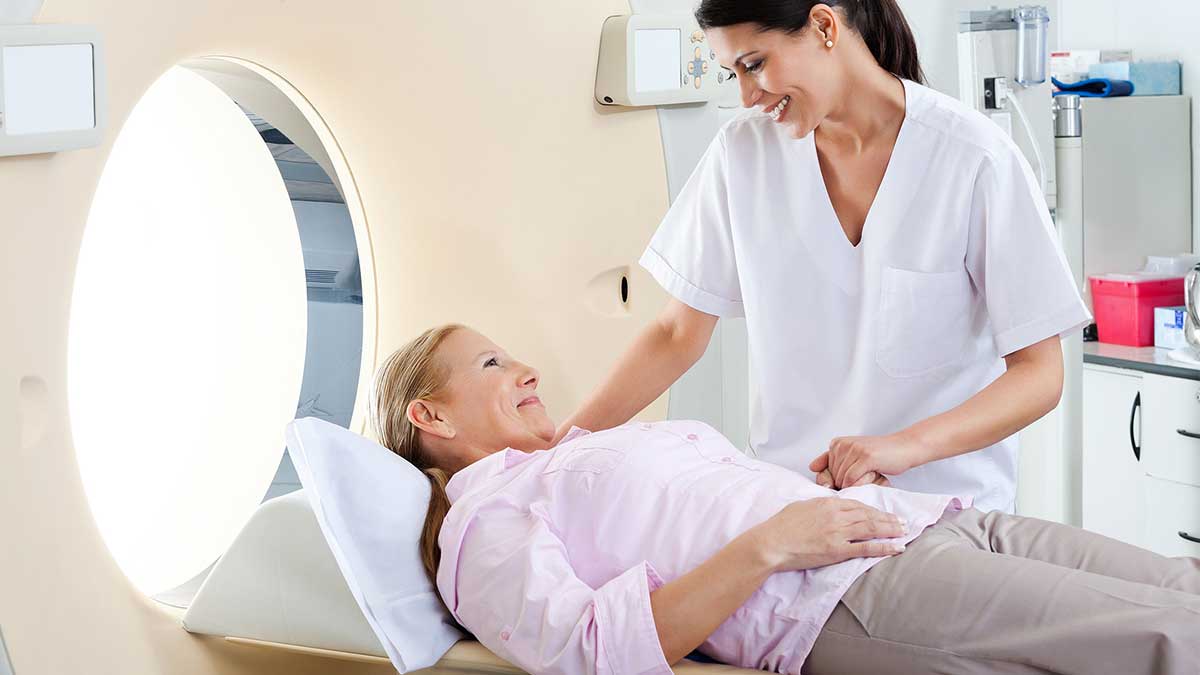
We offer CT exams for most body structures, such as:
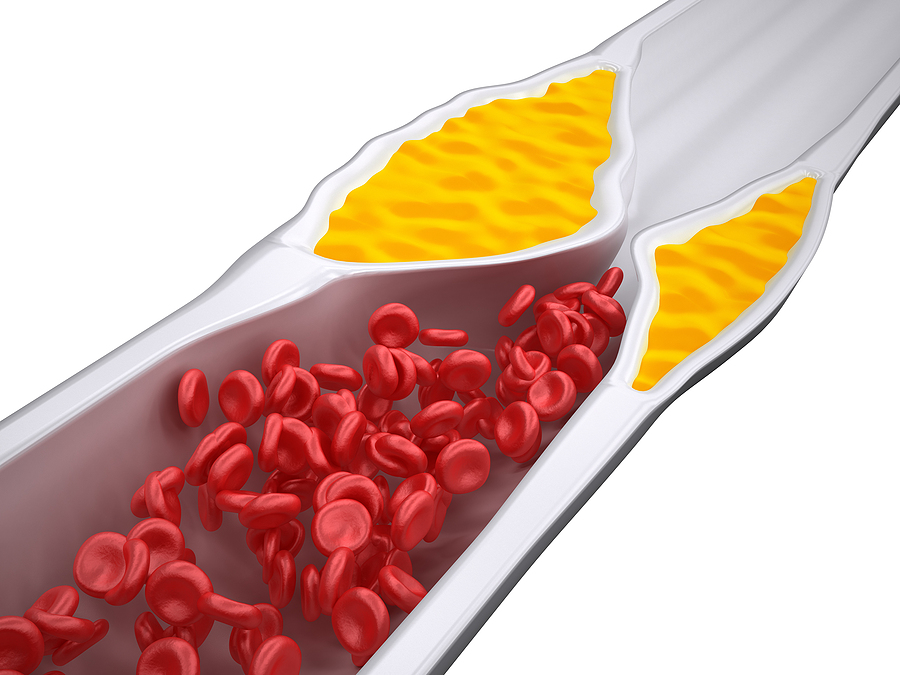
Coronary Calcium Scoring
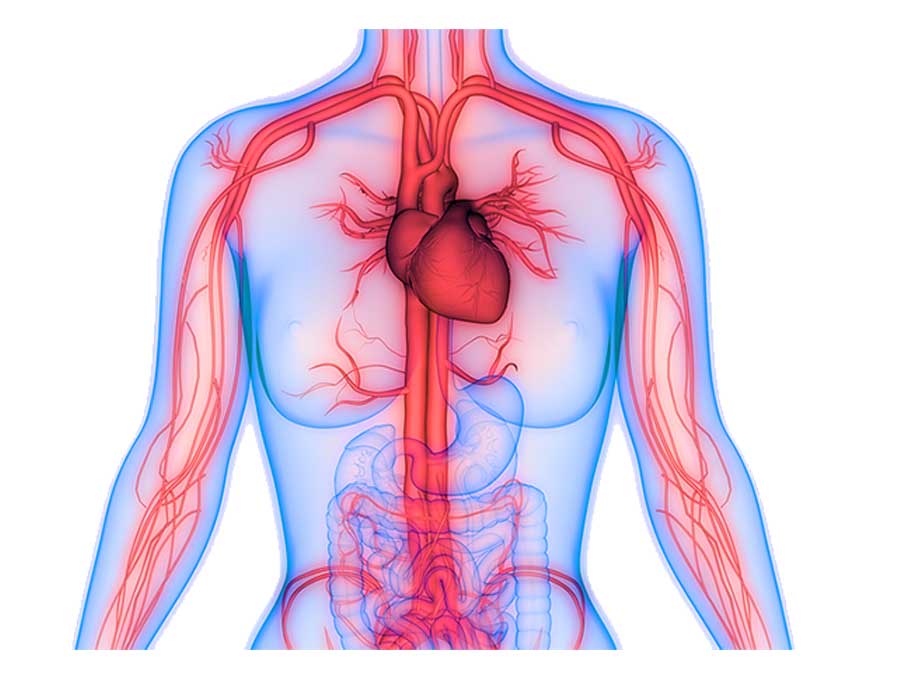
Angiography
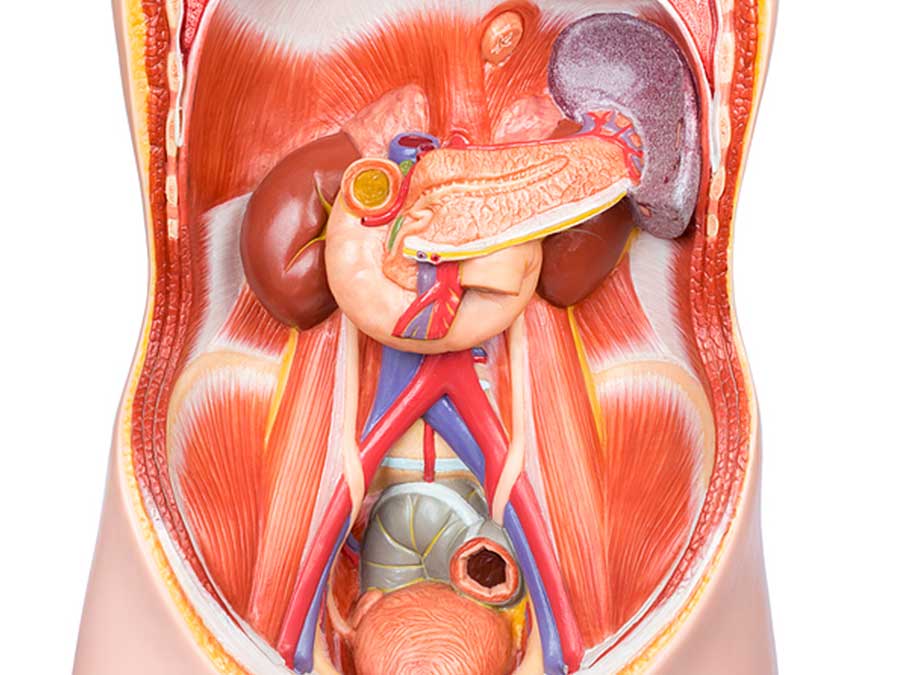
Abdomen and Pelvis
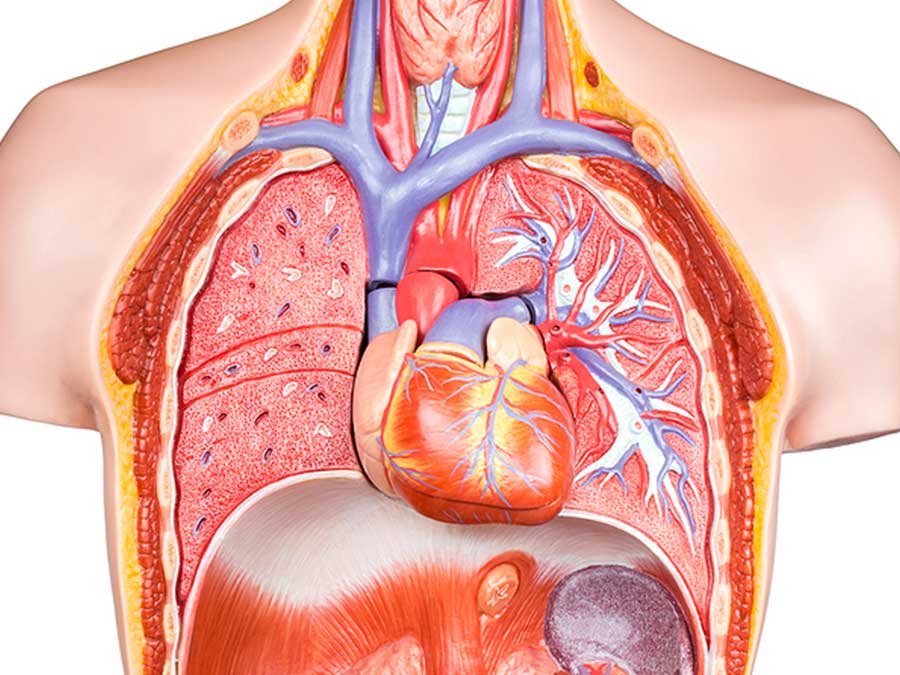
Chest
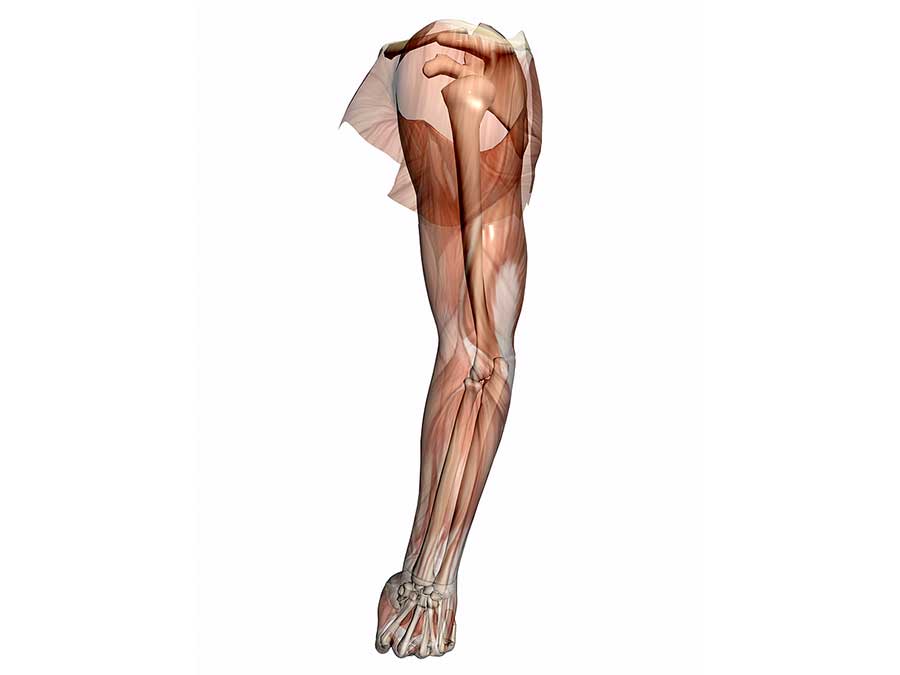
Upper Extremities
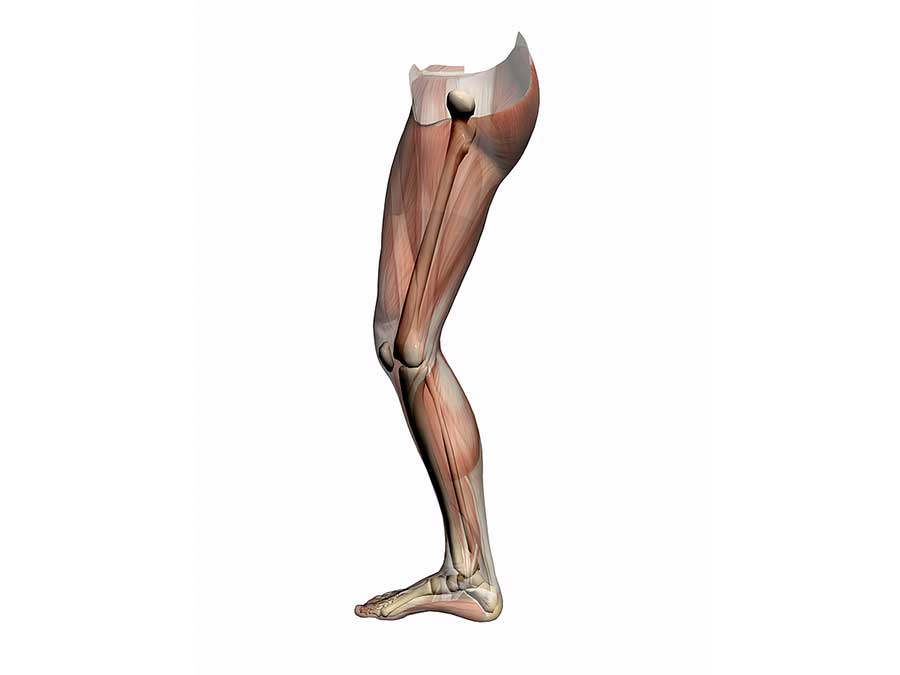
Lower Extremities
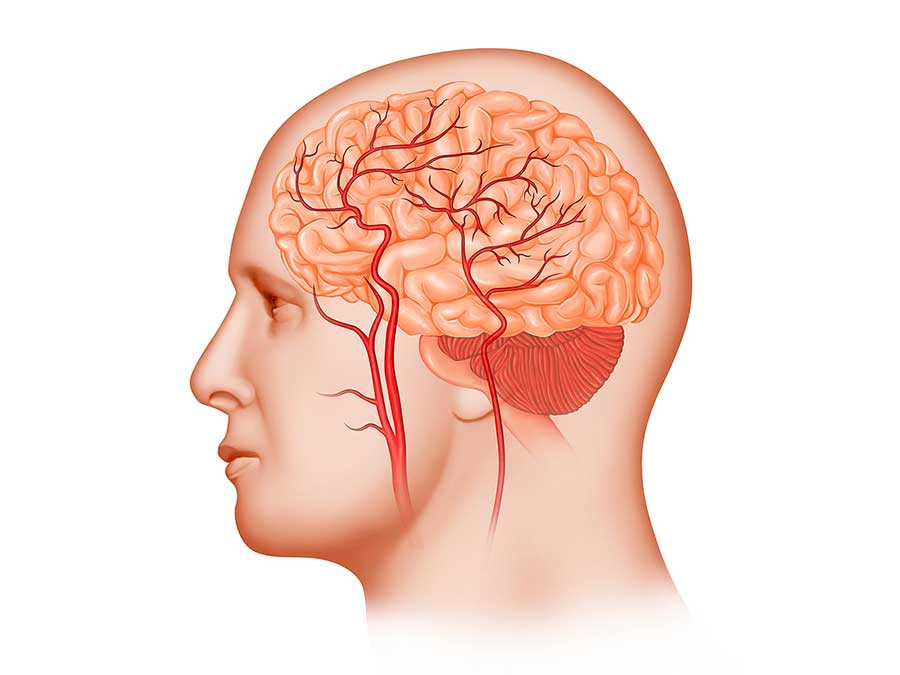
Head
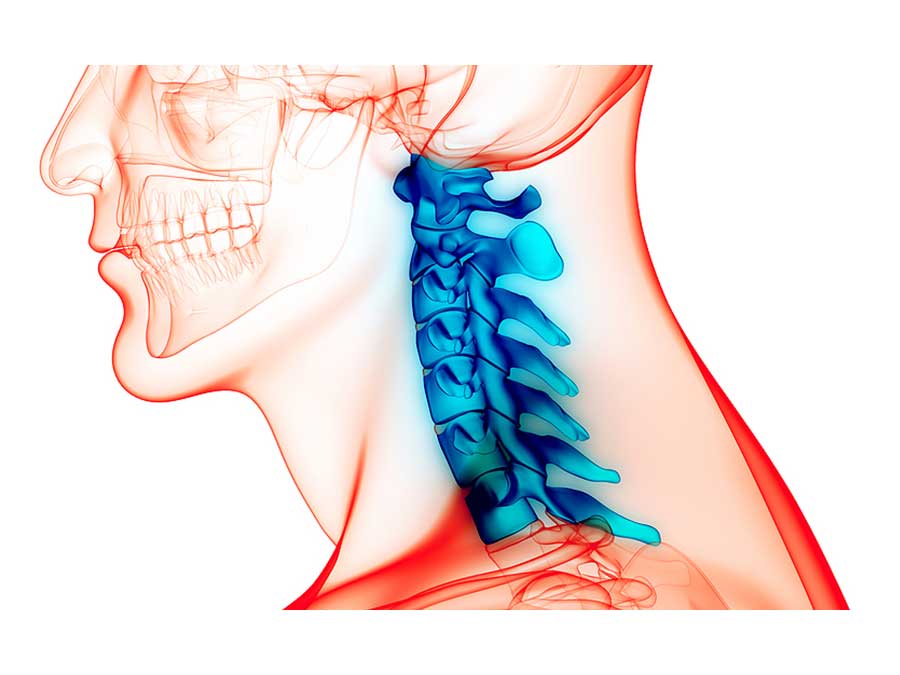
Neck
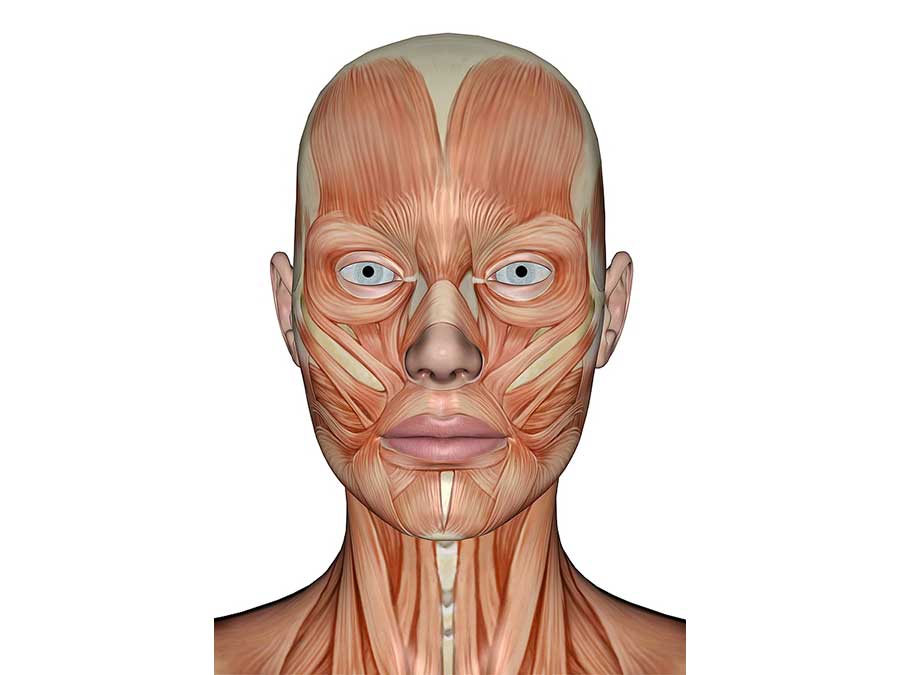
Maxillofacial
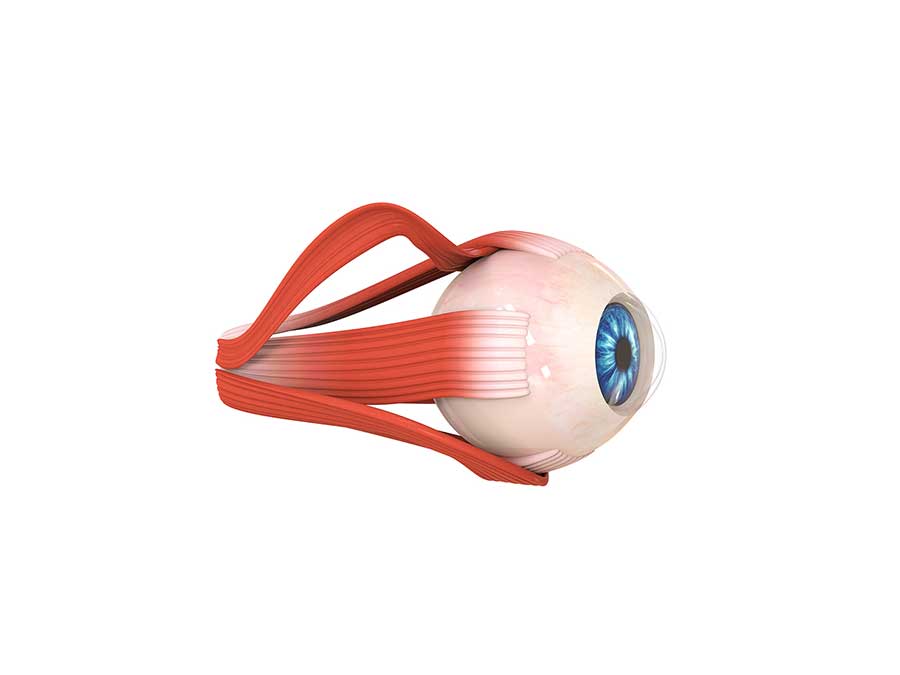
Orbit
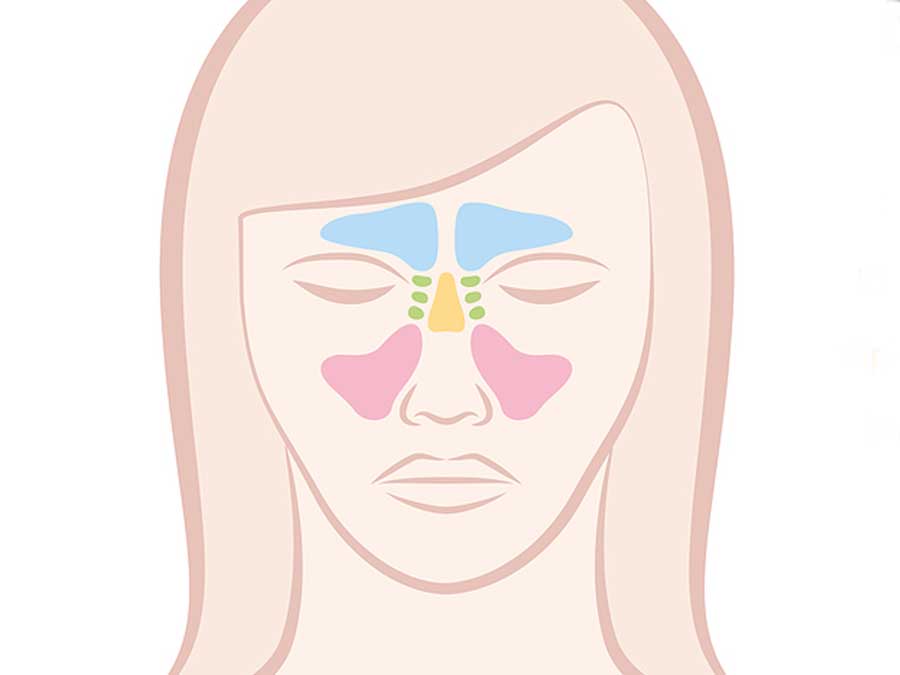
Sinuses
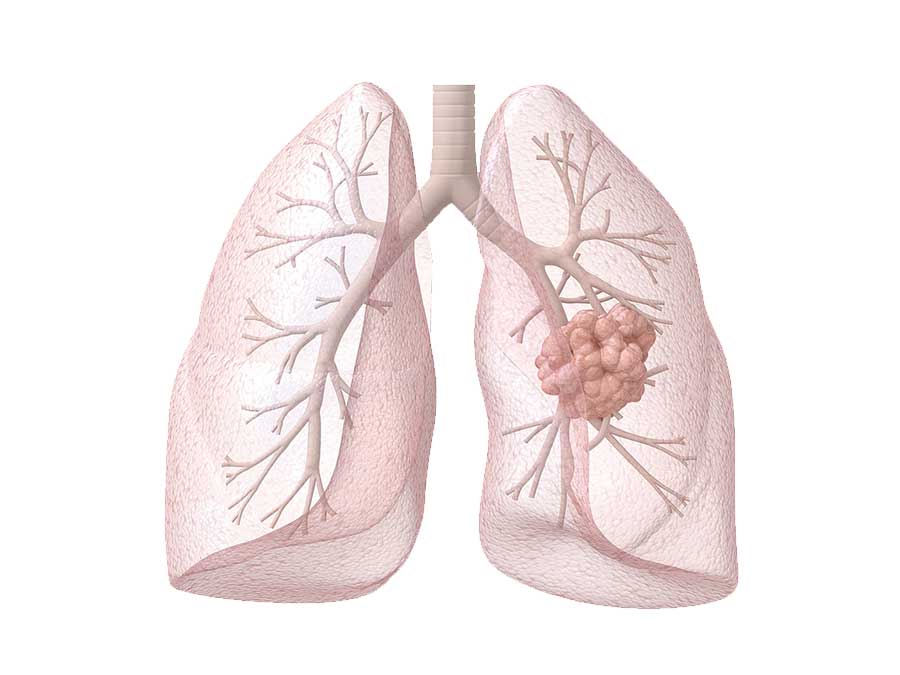
Lung Cancer Screening
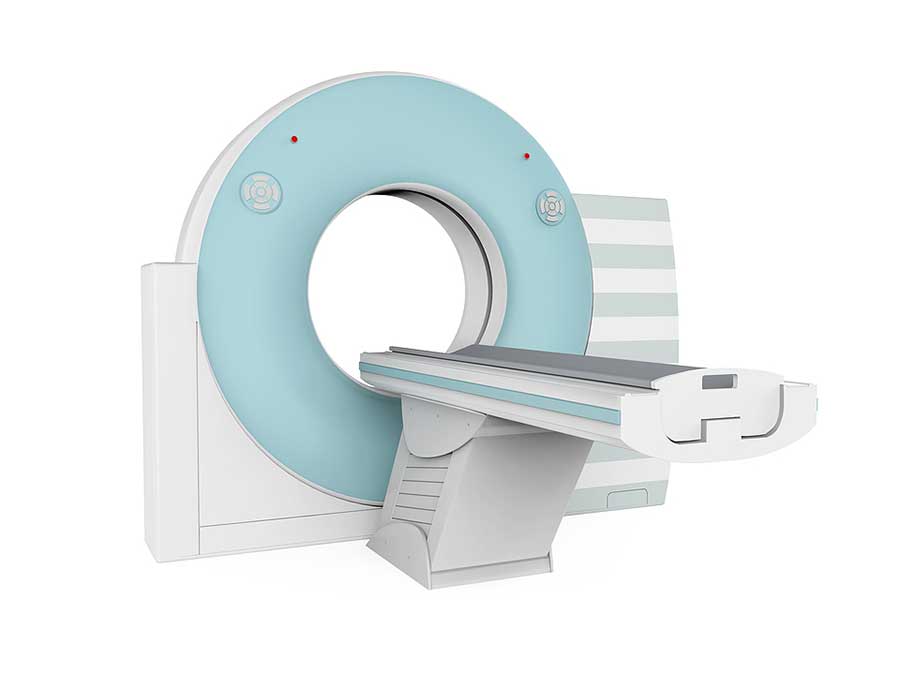
Ultra-low Dose CT
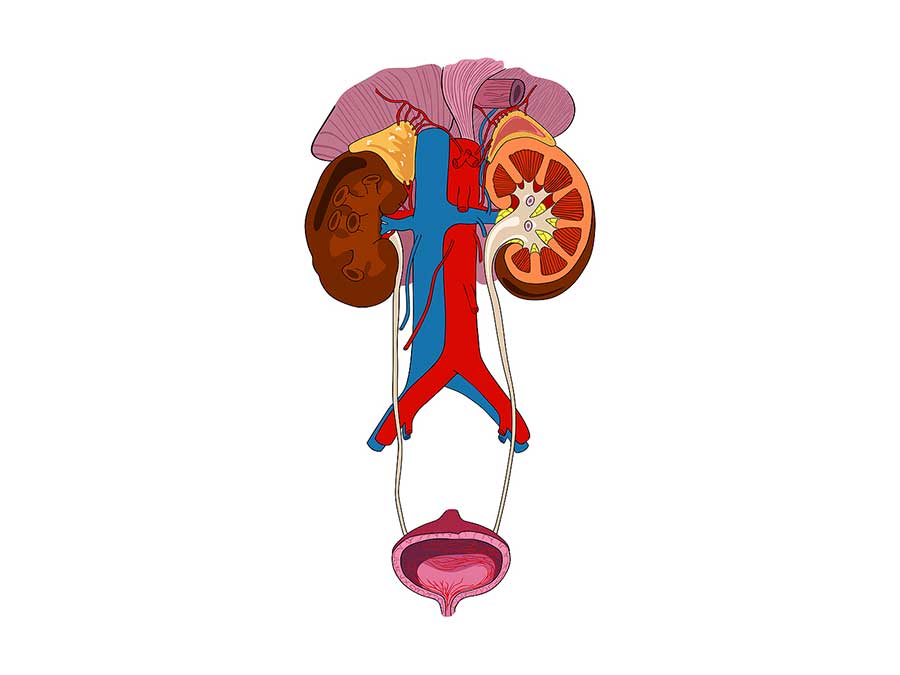
Urography
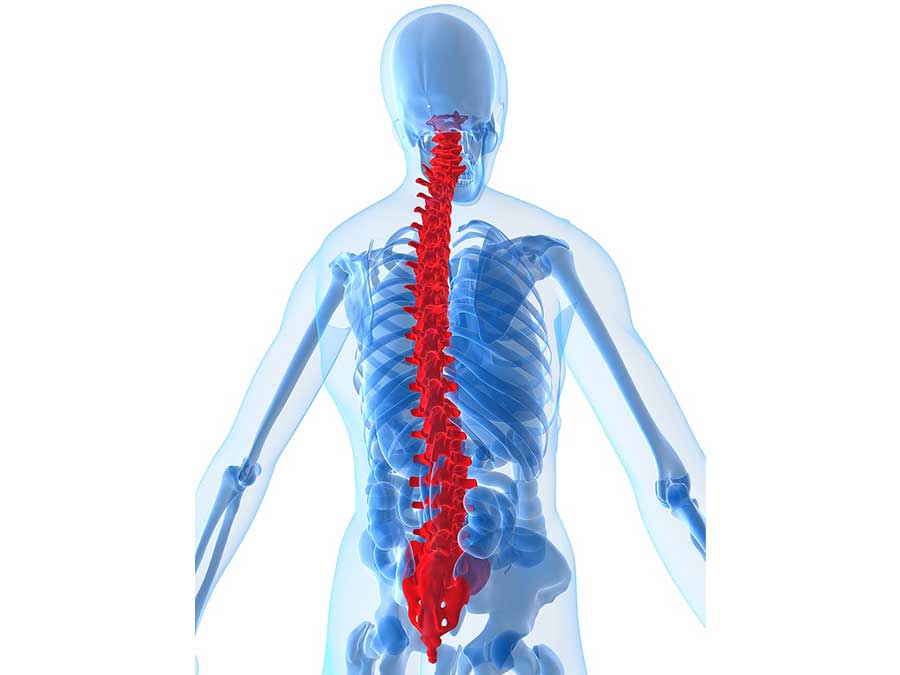
Spine
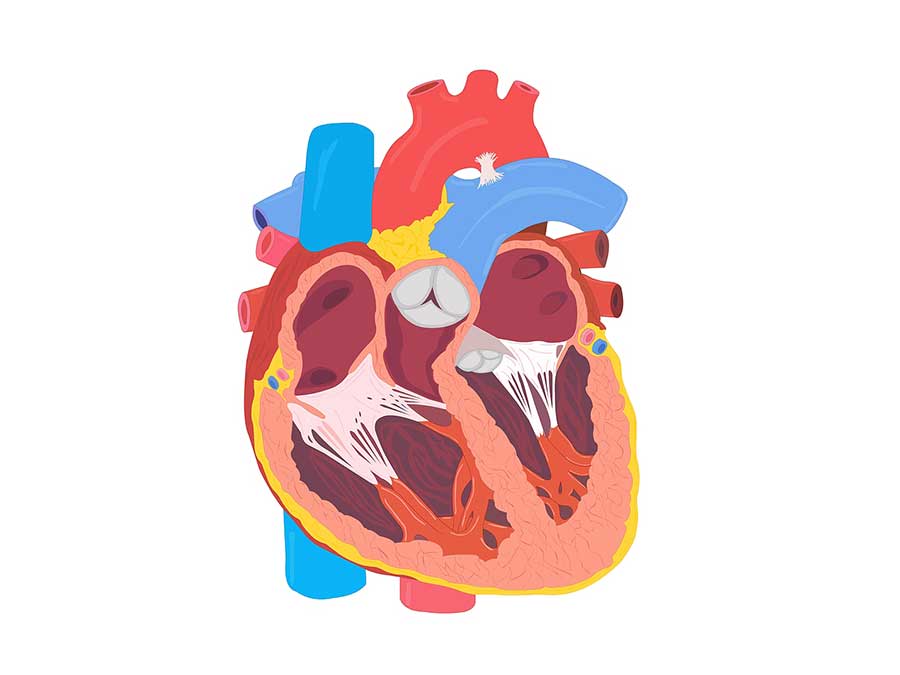
Heart
About CT Scans
CT scans, also sometimes called CAT scans, combine X-rays with computer technology to create detailed images of different body parts. Unlike standard X-rays which take a picture of the whole structure being examined, CT has the ability to show a body part in “slices”. The scan is quick and painless.
What to expect
Exams usually take less than 20 minutes. Before the scan begins, you may be asked to put on a gown depending on the body part being scanned. You will then be asked to lie on the scan table. During the test, the table will move through a doughnut-shaped tube. This tube will move around the body parts being scanned, collecting pictures from various angles. You’ll be able to see out of both ends of the scanner. You will want to be as still as possible and the technician may ask you to hold your breath for short periods.
How to prepare
Many tests, such as those involving the spine, bones, joints, sinuses, or kidney stones, require no preparation. Some CT tests include the use of a dye or “contrast” to help body parts show up more clearly on the image. If so, you will be asked to swallow the dye in a drink, or it will be injected into your vein. If the contrast is injected, you may feel a warm sensation throughout your body.
If your test needs contrast, please do not eat or drink for 4 hours before the exam. Drink plenty of fluids after the test to help your body get rid of the dye. We will provide detailed instructions when you are scheduled for your exam.
If your test needs contrast, please do not eat or drink for 4 hours before the exam. Drink plenty of fluids after the test to help your body get rid of the dye. We will provide detailed instructions when you are scheduled for your exam.
Special note about CT Calcium Scores
Most insurers have strict criteria* for approving the cardiac calcium score test. Most people do not meet these criteria, even though this is a very useful test that your health care provider has recommended. Even if the test is approved by your insurer, if you have a deductible you will have to pay for it at your insurer’s contracted rate, which is often higher than our discounted self-pay rate. Our discounted self-pay price is $220, which is the lowest in Chittenden County.
*Some of the criteria required by insurance companies for cardiac calcium score tests include (these have to be provided by the referring provider):
-Age 40-75
-10-year heart attack risk (ASCVD score) between 5% and 20% ("intermediate risk”).
-10-year heart attack risk (ASCVD score) between 5% and 20% ("intermediate risk”).
-Low-density lipoprotein (LDL) between 70 and 190 mg/dL.
-Personal history of vascular disease? If “yes", you may not qualify.
-Family history of premature vascular disease? If "yes", you may not qualify.
-Personal history of diabetes? If “yes", you may not qualify.
-Family history of premature vascular disease? If "yes", you may not qualify.
-Personal history of diabetes? If “yes", you may not qualify.
-Currently taking a ‘statin’ medication? (This is a common class of cholesterol-lowering drugs.) If “yes", you may not qualify.
There may be other exclusions as well. For more specific details, please refer to your individual insurance plan as the criteria varies.
There may be other exclusions as well. For more specific details, please refer to your individual insurance plan as the criteria varies.